About Tax Stamps
From simple proof of tax payment to sophisticated security devices, tax stamps are a key tool in government revenue protection and supply chain control.
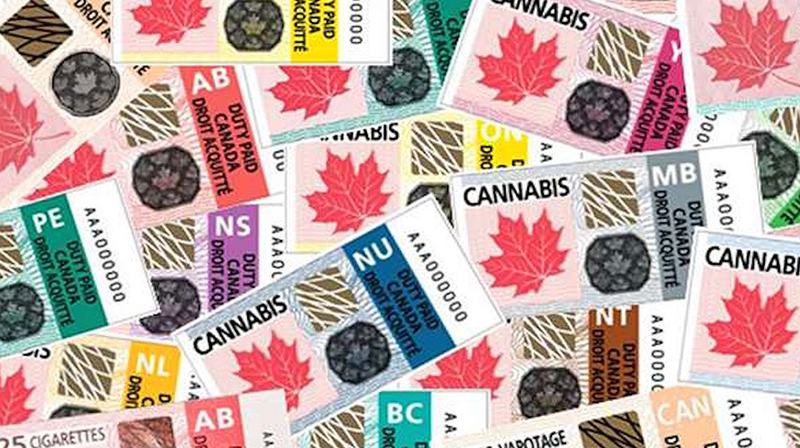

What are Tax Stamps?
Tax stamps are secure identifiers used by governments to evidence the payment – or liability – of excise tax on specific goods, such as tobacco products, alcohol and other regulated items.
Traditionally applied as physical labels to packaging, tax stamps provide a visible and enforceable mechanism for revenue collection. Increasingly, they also serve as the physical anchor for digital track and trace systems, linking each product to a unique identity and a central database.
Today, tax stamps combine secure materials, authentication features and serialised codes to support three core functions:
Revenue Collection
Providing physical proof that excise duty has been paid, or is due to be paid, to the relevant authority
Product Authentication
Helping distinguish genuine, tax-compliant products from counterfeit or diverted goods
Track and Trace
Enabling item-level production monitoring and supply chain visibility through unique identifiers linked to central data systems
Physical Security at the Core
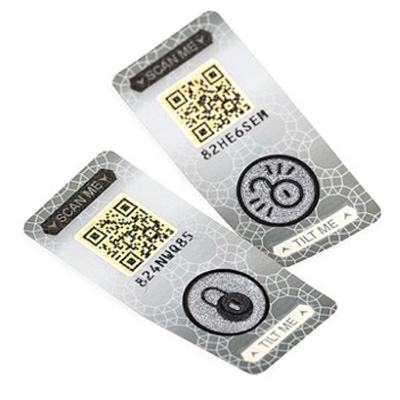
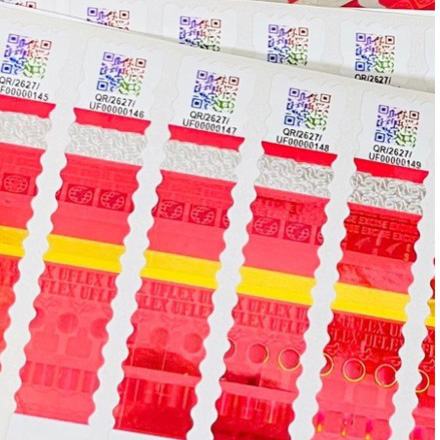
Modern tax stamps incorporate multiple layers of physical security, designed to resist copying and enable verification at different levels – from inspectors and enforcement authorities to supply chain operators and consumers.
In addition to authentication, many tax stamps are applied across a package opening, providing tamper evidence that prevents reuse and reveals whether a product has been opened or interfered with.
Overt Features
Visible elements such as holograms and colour-shifting inks that can be checked instantly, with no tools required.
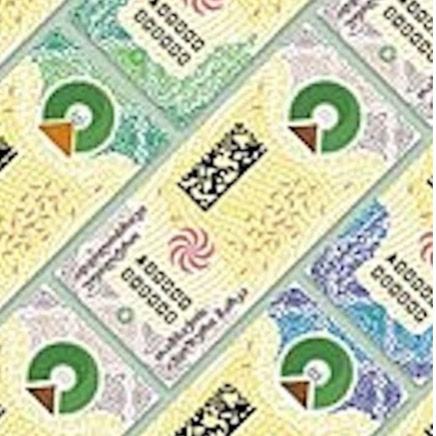
Semi-covert Features
Elements requiring simple-to-use, widely available tools such as UV light or magnification.
Covert Features
Hidden elements, including specialised inks and taggants, detectable only with dedicated equipment used by officials.
Overt Features

Semi-covert Features

Physical Meets Digital
Modern tax stamps increasingly combine physical security with digital systems – creating a controlled link between the product and its recorded identity.
Unique Codes
Each stamp may carry a unique machine-readable code that is activated during production and associated with a specific product, production event and tax record. As products move through the supply chain, this identity can be scanned and verified against a central database.
The Phygital Advantage
This combination of physical and digital elements – often referred to as ‘phygital’ – allows authorities not only to authenticate products, but also to monitor production, track movements and analyse supply chain data in real time.
By linking a secure physical identifier to a digital record, tax stamps provide a far stronger defence against non-compliance and illicit trade than either physical or digital measures alone.

Direct Marking
While most tax stamps take the form of secure labels, some systems use direct marking, where unique identifiers are printed directly onto product packaging using inkjet or laser technologies.
These identifiers are presented in both human-readable form and as machine-readable 2D barcodes. They may also incorporate covert features, such as taggants embedded in inks, to support authentication.
However, as recognised in ISO 22382 (the international standard for tax stamps), directly printed marks generally offer a more limited range of security features and less tamper-evidence than dedicated tax stamp labels. For this reason, authorities are encouraged to combine direct marking with overt and covert security components, protected identifiers and robust data controls.
The choice between labels and direct marking depends on production conditions, packaging type and the level of fiscal risk.

Secure Labels vs Direct Marking
As recognised in ISO 22382:2018

Which Products Use Tax Stamps?
Tax stamps and related identification systems are applied across a wide range of regulated products worldwide.
Tobacco
Cigarettes, cigars, hand-rolling tobacco
Alcohol
Spirits, wine, beer
Non-alcoholic Beverages
Soft drinks, juice, energy drinks
Cannabis & Vaping
Regulated jurisdictions
Fuel Marking
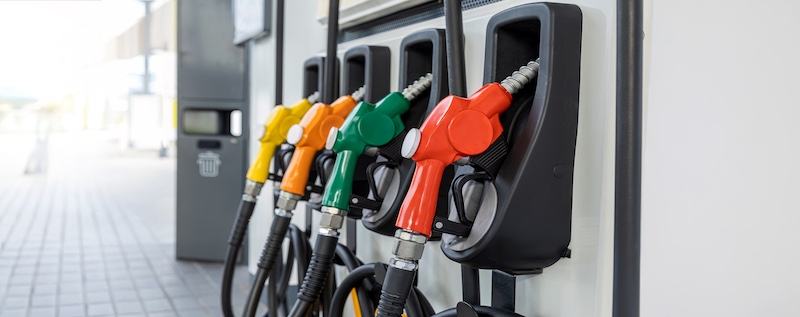
Alongside traditional tax stamps, governments also use petroleum product marking systems – referred to informally as ‘chemical tax stamps’ – to control excise duties and combat illicit trade.
Unlike tax stamps, which are applied to individual products, fuel marking involves the addition of chemical markers to products such as petrol, diesel or kerosene. These markers – often invisible to the naked eye – are introduced at refineries or distribution points and can be detected using specialised testing devices.
Fuel marking serves a similar purpose to tax stamps: it enables authorities to verify whether tax has been paid and to identify illicit, adulterated or diverted products. It is specifically designed for bulk liquid products, where physical labels are not practical.
Tax Stamps
- Physical label on packaging
- Applied to individual products
- Visible to the naked eye
- Verified visually and by scanning
Fuel Marking
- Chemical marker in the product
- Added to bulk liquids at source
- Often invisible to the naked eye
- Detected with specialist devices
Same goal: verify duty paid and identify illicit or diverted products
Learn More
Discover how ITSA is working to raise the baseline quality of tax stamp programmes worldwide and provide governments with the tools they need to make informed procurement decisions.